

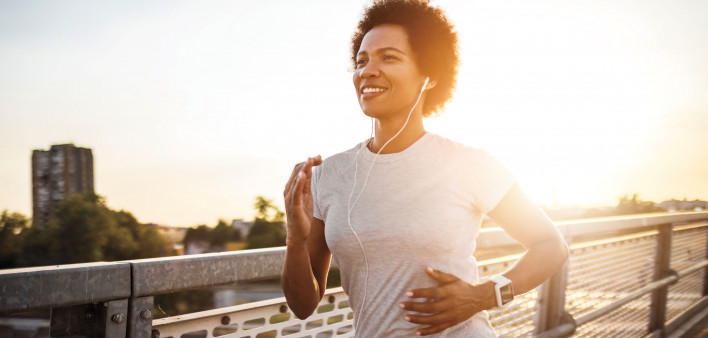
For HIV-positive and HIV-negative people alike, exercise is one of the keys to good health. A growing body of research shows that physical activity not only helps maintain a healthy weight and reduces cardiovascular disease risk but also lowers inflammation and can help prevent cancer, diabetes, dementia, fatty liver disease (which can lead to cirrhosis and liver cancer) and other chronic health conditions. This is especially important for people aging with HIV, as they are more prone to these conditions than their HIV-negative peers.
Beyond disease prevention, exercise can improve overall quality of life by increasing bone and muscle strength—which reduces the risk of disabling falls—energy levels and endurance and improving mental health, sleep and even sexual desire and function.
Experts recommend at least 150 minutes of moderate-intensity aerobic activity or 75 minutes of vigorous activity per week as well as strength training activities at least two days per week. Making time to get some exercise most days is an important part of a healthy lifestyle. The overall goal is to move more and sit less throughout the day. People who do any amount of moderate to vigorous activity gain health benefits. If exercising is difficult due to physical limitations, even a small amount of activity is better than none.
Generally speaking, there are two types of exercise. Aerobic exercise gets your heart pumping and your breathing rate up, burning fat and improving cardiovascular function. Examples include walking, running, bicycling, swimming and dancing. Strength training exercise tones and builds muscles. Examples include weight lifting and other exercises, such as push-ups, crunches and leg squats.
Getting Started
You don’t need to buy special clothes or fancy equipment to exercise. Find exercises you enjoy and activities that fit into your daily life so you’re motivated to do them regularly. Vary your activities to prevent boredom, taking advantage of the weather and seasons.
Many people enjoy participating in team sports, while others prefer solo activities. Yoga and tai chi—which promote strength, balance and flexibility—can be good options for people who are older or have physical limitations.
Remember that everyday activities, such as walking the dog and gardening, contribute to your total weekly physical activity. You can add more activity to your day by taking the stairs instead of the elevator or parking farther away from your destination and walking part of the way.
Joining a gym or taking a class offers access to equipment you don’t have at home and can motivate you to exercise regularly. Community gyms, such as the YMCA, may offer free or low-cost memberships. Many classes are available online. A personal trainer or fitness coach can help design an exercise program that’s right for you.
If you’re just starting out, build up slowly—for example, by bicycling several more minutes each day or lifting a bit more weight each time you work out. Be sure to stretch and warm up at the beginning of each exercise session. Get enough sleep, eat a healthy diet and drink plenty of water before, during and after exercising.
While exercise is generally safe, it’s important to know your limits. Overtraining can lead to muscle soreness and fatigue, and pushing yourself too hard can increase the risk of injury. If you’re not feeling well, skip a day.
Before starting a new exercise regimen, check in with your health care provider, especially if you are older or have underlying health conditions. Almost everyone can find a type and level of activity that’s safe and beneficial. Listen to your body: It will tell you when you can step up the pace or need to slow down or take a break.


Comments
Comments