


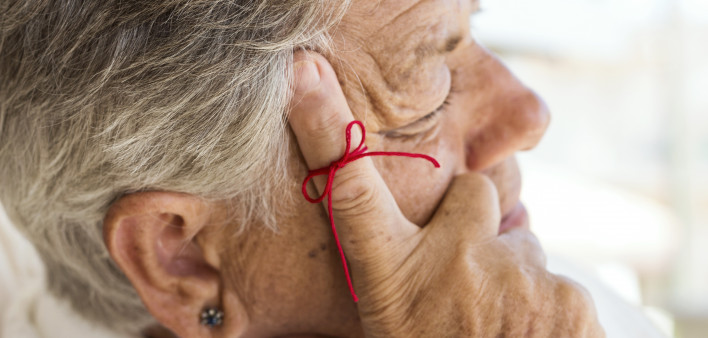
Whenever Independence Day approaches, I’m reminded that nearly 26 years ago my mother died of congestive heart failure (CHF). During the last few years of her life, this cardiovascular condition drastically affected her well-being. Eventually, the illness eroded her memory as dementia set in. Our family watched heartbroken as she forgot certain parts of her life residing in Park Slope, Brooklyn, the neighborhood she’d once loved. I did not realize until much later that CHF, and other cardiovascular diseases, could also affect cognitive function. My first thought was that she’d developed Alzheimer’s disease (AD), until I learned that AD is a specific brain disease, which is the most common cause of dementia.
Although Alzheimer’s is not a normal part of aging, the aging of the population will significantly increase the number of people nationwide with Alzheimer’s dementia, reports U.S. census data. That projection is of huge concern because currently there are already seven million Americans living with the illness. Almost 200,000 of these individuals developed AD earlier than age 65, noted the 2026 Alzheimer’s Association’s annual Alzheimer’s Disease Facts and Figures report. (The figure is calculated from an estimated rate of prevalence because data tracking dementia in younger groups of people is scant.)
Not solely a health care issue, researchers estimate that Alzheimer’s and related dementias will almost double to nearly 13.4 million Americans by 2060, straining the capacity of communities to provide adequate financial and caregiving assistance to those affected.
This year, I spoke to organizers from the New Jersey Chapter of the Alzheimer’s Association about the upcoming Bergen-Passaic Walk for 2026 in September for an article featured in Pascack Valley City Lifestyle—a hyperlocal publication based in New Jersey—about the roles played by community participants and local businesses in supporting this effort.

Each year, the world’s largest fundraiser for Alzheimer’s care, support and research, the Alzheimer’s Association Walk to End Alzheimer’s, is held in more than 600 communities across the country. The event is a call to action for participants of all ages and abilities to join the fight against the disease.
The walk is kicked off by a traditional event called the Promise Garden ceremony, which features participants selecting a flower from among the blue, yellow and purple synthetic blooms that symbolize each participant’s personal connection to Alzheimer’s or another dementia.
Among the vibrantly-colored flowers there is only a single white bloom that’s held by one individual. The visual reminder represents a beacon of hope that one day we will have a cure for Alzheimer’s and related dementias.
Unfortunately, my mother won’t benefit from any prospective breakthroughs to cure these conditions. But I continue to hope for a cure in my lifetime. As we all continue to age, I look forward to a time when people won’t have to worry about losing more loved ones to these debilitating and heartbreaking diseases.
Have a safe, happy and healthy 4th of July.




Comments
Comments