


“Is it OK to have options as a person living with HIV?” It’s a question I have asked myself countless times since 2013 when I tested HIV positive. And sadly, like so many, I let my inner shame tell me the answer is “no” for far too long.
When you are first diagnosed, it feels like you are handed a script, written from others’ experiences or expectations that you must follow with little room for deviation. You feel like everything is set in stone. Maybe it is the initial shock, or the stigma that feels imposed with the diagnosis, but so many people go silent or feel silenced by their healthcare professionals, by their community, by the opinions of others and by their own internal shame. You feel like a prisoner to your diagnosis, and that any freedoms you once had are now taken away.
For myself, sexual education in school wasn’t much more than the gym coach saying don’t get yourself or anyone pregnant, don’t get sexually transmitted infections and that HIV is the worst thing you can get. Beyond the after-school special that used fear-based tactics, there was no actual explanation of how these things occur, and if they do, what options you have. So that left many, like me, afraid to ask further questions from trusted resources. Instead, I sought answers through what felt accessible, porn or friends.
When freshly diagnosed, before you can even process what has happened, you are given a treatment plan by a medical expert. And like many navigating healthcare power dynamics, you don’t feel confident enough to ask what the other options might be, what can be tailored to your lifestyle or schedule, and what works best for your unique needs. You feel like a child, once again sitting in the back of the gym class unable to raise their hand and seek the answers you need. So, you take the prescription and leave feeling stuck in a cycle that might not work for you and are forced to seek answers from spaces that only exacerbate stigma. Google searches, Reddit threads, movies that center trauma or friends who may only be equipped with more misinformation.
When polling trusted friends or the internet, you are given what feels like limited options when it comes to disclosure. You are told by some to remain celibate so that you never have to disclose, as if a monk-like vow must be made to “safeguard” you from the shame of disclosing. You are told by others that you should only seek partners who are also positive. Imagine anyone with any other diagnosis being told they must choose their romantic interests based on a shared medical history as a requirement and realize the absurdity of this advice. Or you are pressured that you must disclose your medical status within the first few moments of meeting anybody with the potential of becoming a partner. It is extremely dehumanizing to be told by others that your medical status needs to be known by strangers before they even get a chance to know your name, where you are from, if you are a dog or cat person, if you love or hate reality TV, or any other components that make you the human you are and a compatible partner.
And while at first, with this new diagnosis, you feel your only option is to do what you are told without question, I am here to assure you that the more comfortable you get with who you are, what you want, and what you need, you will once again find your voice and be able to ask yourself the same question once again.
“Is it OK to have options as a person living with HIV?” The answer is absolutely, yes! You have a plethora of options for treatment, partners and even when you disclose. Being HIV positive does not mean your treatments, your choice of partners and the time you disclose must be a one-size-fits-all. The status does not strip you of your humanity, individuality or right of choice.
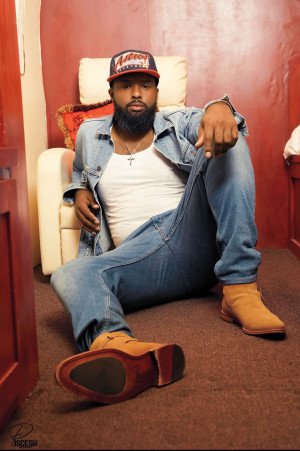
Jordan EdwardsCourtesy of Jordan Edwards
I have found that having a healthy sex life starts with conversation, with your partner or partners, but most importantly with yourself. What do you want? What life do you desire? How frequently do you want to take treatments and in what form? Does one pill a day work best for you?
You deserve the option to have a treatment plan that fits into your lifestyle and doesn’t add onto the mental load. You deserve the option to choose a partner who doesn’t base their engagement with you solely on your sexual health being undetectable. You deserve the option of having a partner who takes the same responsibility as you to update their status.
Stigma only protects the myth that living with HIV makes you less than someone who is not living with HIV. Shame tells you that you can’t ask for more, because you are no longer deserving, but I’m telling you right now that is a lie. You deserve a beautiful life filled with choices. And the only way to actualize that is to ask for more options, to make choices based on what benefits you, and to speak up and demand more. More from healthcare providers, more from your partners, more from your community, and more from yourself.
Living with HIV has taught me that positive status causes fear in many but has the potential to create empowerment with the right mindset. The fear comes from generations of experiences with HIV, from losing so many precious lives, to younger generations asking, “Is HIV still a thing?” But what you may not have expected is that there is empowerment that can come from this diagnosis. My positive status can create braver spaces for individuals to disclose, ask tough questions and share more of their desires. My positive status can unlock a voice I never knew existed within me, one that demands to be treated with respect and dignity. I now find myself living more proudly. I find myself freed from the stigma of sex and pleasure I held in my heart even before my diagnosis. I now know proudly that my wellness, expression and exploration in life can and should include sexual experiences.
I made a choice to learn more about myself and my options, and to continue to seek new information, ask questions and try new experiences. And I am now a proud participant in a study for a twice-a-year injectable for HIV treatment, so not only myself but everyone can one day have access to more options. This opportunity was only made possible by finding my voice and asking questions to my doctor. My hope is that others can give themselves permission to ask for more, because not only do they deserve it, but it will also create a pathway for empowerment for us all. Seeking options will bring us closer to the solutions we need.
Jordan J. Edwards is deputy director of the Normal Anomaly Initiative, which centers Black and queer plus persons to overcome barriers, end stigma and problematic narratives to actualize a new normal. Go to normalanomaly.org for more information.


Comments
Comments