

When I ask people what they know about HIV, they almost always paint the same picture. So, try this: Close your eyes and imagine a person living with HIV. Who do you see?
For most people, they return a harmful, outdated, stereotype of a gay man. The association might have made sense in the past given the devasting impact that HIV has had—and continues to have—on the gay community, and the fact that media representation has reinforced this image since the beginning of the epidemic.
But here is the truth: HIV does not discriminate. The demographics of HIV epidemic have changed, and our understanding needs to catch up.
The Numbers Don’t Lie
Here is what most people don’t know: Black women are facing a quiet HIV crisis.
Of the roughly 39,000 Americans diagnosed with HIV each year, one in five are women. Of those women, more than half are Black, despite Black women representing only 13% of the female population. Their diagnosis rate is an astonishing 11 times higher than that of White women.
Eleven times. Let that sink in. These are not just statistics: these are mothers, daughters, sisters, and friends—women whose lives are being upended by a crisis that most of America has stopped paying attention to. This is precisely why National Women and Girls HIV/AIDS Awareness Day on March 10 is not just timely, it is absolutely critical.
Thanks to significant advances in HIV treatment over the past three decades, people living with HIV who take their medicines regularly can live long, healthy lives, while also not transmitting the virus to their sexual partners. Real progress has been made, but this progress has not reached everyone equally.
A Prevention Tool That Most Women Don’t Even Know Exists
As a Black woman and the head of U.S. Strategic Medical Partnerships at ViiV Healthcare, the only pharmaceutical company 100% focused on HIV, I feel a deep sense of pride and responsibility to advocate for my community and amplify our voices.
This means talking about tailored prevention and treatment strategies that reflect Black women’s realities and needs. And it means talking about PrEP—a medication that can reduce the chance of getting HIV from sex by about 99% when taken as prescribed. It is available as a long-acting injectable or daily oral pill, and it is a game-changer.
Yet, most women have never heard of it. Studies show that only 10–20% of women are even aware that PrEP exists as a prevention option, and women represent a mere 9% of PrEP users nationwide. A life-changing tool is sitting on the shelf, and the people who need it most don’t even know it’s there.
The question we must ask ourselves is, why?
The Role of Language
Language is a powerful tool. It shapes how we think and how we act. For far too long, HIV prevention conversations have been dominated by words like “risk,” which promote feelings of fear and shame. Words that alienate people rather than invite them into a conversation. This failure in communication has exacerbated the impact of HIV on Black women in the United States.
Terms like “at risk,” “high-risk,” “risk-factors,” and “risky behaviors” are unspecific and can be stigmatizing, causing Black women to tune out rather than reflect on their potential HIV prevention needs. We, who have long been labeled “at risk” by our society for so many reasons, do not see ourselves in that language.
Here is the reality that traditional HIV prevention campaigns fail to capture: For many Black women, the greatest “risks” they face for HIV may be external—geography, poverty, intimate partner violence, or other social determinants. These are the forces shaping their vulnerability, not simply personal choices or behaviors. And because Black women’s sexuality has been pathologized throughout history, messaging rooted in stigma and shame do not just fail to help, they cause harm.
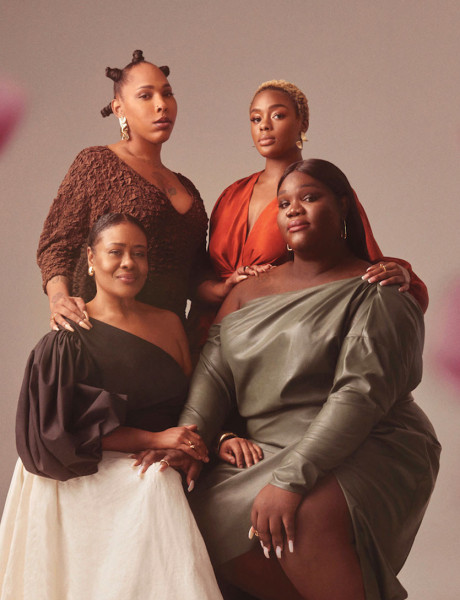
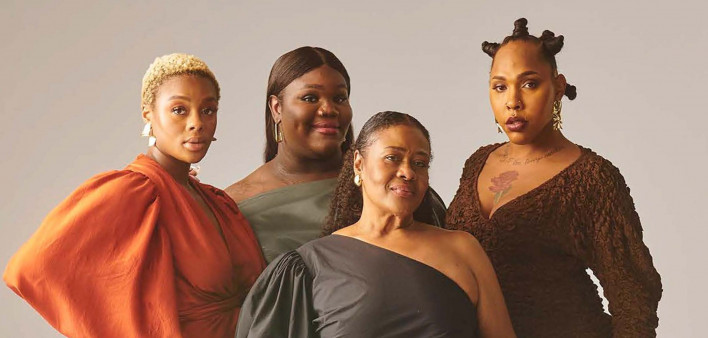
Women featured in the “Risk to Reasons” initiativeCourtesy of ViiV Healthcare
From Risks to Reasons
ViiV Healthcare is actively working to change this through an initiative called Risk to Reasons, a growing national movement designed to transform the HIV conversation for Black women.
We are focusing on overcoming the stigma that drives Black women away from getting tested for HIV, taking PrEP, staying in care, adhering to treatment, and thriving.
Instead of risk, we explore reasons: reasons to embrace HIV prevention as an act of self-care, self-respect and personal power. Reasons rooted in enhancing intimacy, reclaiming control and living free from fear and shame.
ViiV Healthcare has developed new messages, new messengers, and new methods specifically designed to increase awareness and action around HIV prevention and care for Black women. But we cannot do this alone.
It’s critical we enlist more health care professionals to join the movement. I implore them to embrace this updated language for HIV prevention, especially in communities where HIV disparities are greatest. It’s a challenging endeavor—I recognize that having culturally-competent conversations to promote HIV prevention is not a subject taught at medical school.
Yet, recruiting more multicultural messengers and equipping health care professionals with effective language for HIV prevention could be the best medicine we have to curb transmission, reduce disparities and save lives.
Black women deserve better than the conversation we have been having. They deserve language that sees them, respects them and invites them—not language that shames them into silence.
It’s time we start talking differently.
Dr. Alftan Dyson is the head of U.S. Strategic Medical Partnerships for ViiV Healthcare.


1 Comment
1 Comment